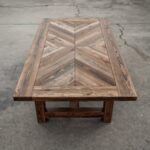


From the very beginning of human life, wood has been more than just a material — it’s been a companion. Long before stone walls and concrete floors, people built shelters from tree trunks, warmed themselves by wooden fires, and carved out tools and furniture by hand. Even now, thousands of years later, wood still finds its way into our homes — not just because it’s useful, but because it feels right. These deep-rooted connections are embedded in our DNA, shaping our innate affinity for wood.
A Material with History
Wood was the first material early humans used to shape their lives. It offered warmth when nights were cold, structure when homes needed building, and tools when survival depended on it. It was always there — flexible, strong, and surprisingly beautiful.
Across cultures and continents, wooden items have marked some of life’s most meaningful spaces. Heirloom cradles, handcrafted tables passed down through generations, worn kitchen counters where families gathered — wood has quietly witnessed life’s everyday moments. That history is still alive in the way we connect to wooden objects today.
A Living, Breathing Presence
Unlike synthetic materials, wood carries a sense of life. It has grain, texture, and subtle variation — no two pieces are ever the same. That individuality brings warmth and character into a home. A wooden table doesn’t just “fill” a room; it becomes part of it, adding a natural balance that’s hard to replicate with cold, manufactured surfaces.
Wood also softens spaces. Even in modern or minimalist homes, where clean lines and neutral colors dominate, the presence of wood adds contrast and warmth. It’s grounding — a reminder of the natural world, even in the middle of the city.
Emotional Comfort
There’s something deeply familiar about wood. Touching it, sitting at it, walking across it — it’s a sensory experience. The texture, the warmth, the small imperfections in the grain — they create a quiet connection. Without saying anything, wood reminds us of calm, comfort, and craftsmanship.
That emotional comfort can even have subtle effects on our well-being. Research has shown that natural materials, especially wood, can help lower stress levels and improve focus. For instance, studies have indicated that environments with wooden interiors can lead to reduced heart rates and stress levels, enhancing overall well-being.
A Material That Ages Gracefully
Wood isn’t afraid of time. In fact, it becomes more beautiful with age. Small nicks, color changes, a soft patina — these aren’t flaws, but signs of life. Unlike other materials that often look worn out after a few years, well-cared-for wood tells a story. And if cared for properly, it lasts for generations.
This longevity makes wood a sustainable choice too. You’re not buying something to replace in a year or two. You’re choosing something you’ll live with, grow attached to, and maybe even pass on.
A Fit for Every Home
Whether your style leans rustic, modern, vintage, or Scandinavian, wood adapts. It can be bold or subtle, light or dark, clean or raw. From a sleek walnut clock on the wall to a solid oak serving tray, wood fits seamlessly into every room. And it does so without forcing attention — it just belongs.
Why It Matters to Us at Woodora
At Woodora, we don’t just use wood because it’s beautiful. We use it because it connects us to something older, something honest. Each piece we create carries a bit of that story — not just in how it looks, but in how it feels to own. When you bring a wooden item into your home, you’re not just decorating. You’re inviting nature in, gently and quietly, in a way that lasts.